


Microsoft Teams
4.697.03K Reviews
App Specs
- Version
- 1416/1.0.0.2026183002
- Updated On
- License
- Free
- Downloads
- 500,000,000+
- Developer
- Microsoft Corporation
- Categories
- Business
- Platform
- Android, iOS
Screenshots


 Analysis by AppCompare
Hey there! Ever found yourself juggling multiple communication apps for work? Well, let me introduce you to Microsoft Teams, a real game-changer in the world of business communication. I've been using it for a while now, and let me tell you, it’s like having a virtual office right in your pocket.
When a steady connection matters
For me, the biggest difference between a smooth workday and a frustrating one often comes down to the network. Messages, shared files, and meetings all depend on a usable connection, so I treat Teams as a connected workspace rather than a dependable place to work without internet. Before joining an important call, I check that my connection is stable and, when possible, switch to a less crowded network. That small habit is more useful than trying to fix audio or video once everyone is waiting.
Connectivity also affects how I use chats and channels. A quick text exchange is usually less demanding than a video meeting, so if a connection is weak, I prefer to send a concise message and share the relevant context rather than start a call. For time-sensitive discussions, I make the main point clear in the first message; that way, a teammate can understand what I need even if the conversation takes a while to load or respond.
Guides and Analysis on Microsoft Teams
Why Microsoft Teams Stands Out
First off, Microsoft Teams integrates seamlessly with other Microsoft 365 apps. If you’re already using Word, Excel, or Outlook, it’s a no-brainer. You can easily share documents in real-time and collaborate with your team without the hassle of switching platforms. This integration is super handy and saves a ton of time.
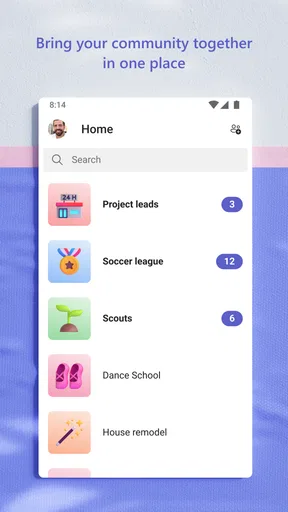
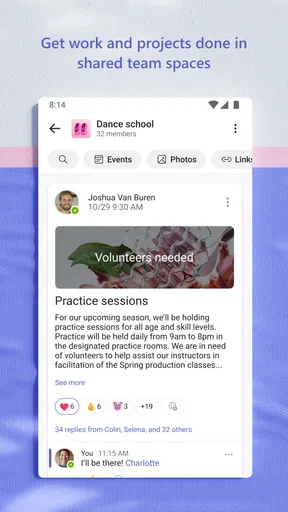
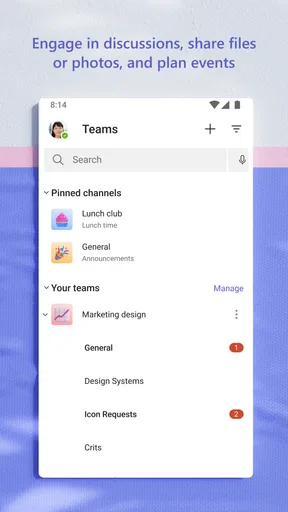
One of the things I love about this app is its customizable interface. You can create different channels for different projects, making it easy to keep all your conversations organized. Plus, the ability to tag team members is a lifesaver when you need to grab someone’s attention in a busy chat thread.
Using it between meetings and errands
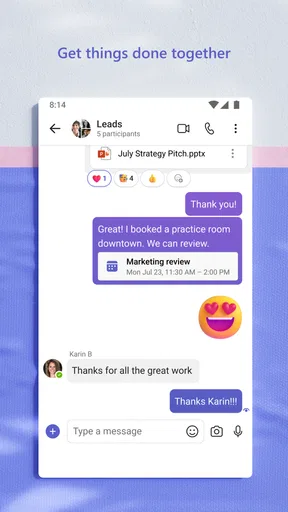
The phone app is most useful to me for short, focused tasks: checking a project conversation, replying to a colleague, or joining a meeting when I am away from my desk. It can make a commute or a gap between appointments more productive, but I would not treat a small screen as a full replacement for a computer when I need to edit detailed documents or follow several active conversations at once.
A realistic example is a team member who is heading to another location while a project decision is being made. They can check the relevant channel, read the thread before replying, and tag the person who owns the next step. That is more orderly than scattering updates across text messages and email. My tip is to open the project’s existing conversation before starting a new one; keeping decisions in the right place makes it easier for people to catch up later.
Worth Reading Before You Choose

Flipboard Shows What News Apps Must Do Beyond the Feed

Switching to Android Auto Means Rethinking Your Driving Routine

Google Calendar Makes a Crowded Week Easier to Manage

Ludo King Makes the Most of the Minutes Between Plans

Baby Panda World Brings Quick Play to Modern Phones, but Its Game Library Feels Busy

ESPN’s Live Game View Makes Following Close Games Easier
Notifications need a little thought on mobile. If every channel is allowed to interrupt you, the app can become distracting rather than helpful. I would start by deciding which conversations genuinely need prompt attention, then adjust notification choices to suit the way your team works. That balance is personal: someone coordinating urgent requests may want more alerts than a person who checks messages at set times.
Features That Make Life Easier
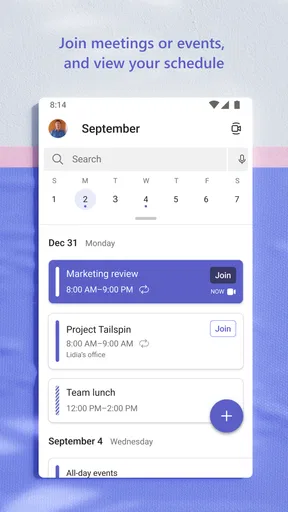
Let’s talk about meetings. With Teams, scheduling and hosting meetings is a breeze. The video and audio quality is top-notch, and the background blur feature is perfect for those days when your home office isn’t quite camera-ready. Plus, the app allows for screen sharing, which is crucial for presentations and collaborative work.
Still, calls are where a weak or fluctuating connection is most noticeable. Audio may become difficult to follow, and video can feel less reliable than a simple message exchange. If a meeting matters, I try to join from a place with a stable signal and avoid relying on mobile data in a spot where coverage is uncertain. When the conversation is mainly about a document, sharing the file and pointing everyone to the specific section can be a more practical fallback than repeatedly talking over a choppy call.
Another cool feature is the integration with third-party apps. Whether it’s Trello for project management or Adobe Creative Cloud for design, Teams lets you bring all your favorite tools into one place. It’s like having a digital Swiss Army knife at your disposal.
Keeping work moving when the connection falters
When something stops loading, I first check whether the problem seems limited to Teams or whether other online services are struggling too. Then I try a simpler action, such as reopening the relevant chat, rather than repeatedly tapping buttons or sending the same message. If a meeting drops, reconnecting from a steadier network is a better plan than assuming the app itself is at fault. For urgent coordination, a previously agreed backup contact method can prevent a connectivity problem from becoming a missed handoff.
That dependence is a genuine trade-off. Teams brings conversations and collaboration into one place, but it cannot make a poor connection disappear. It also asks people to be disciplined about where they post: a decision buried in a busy general chat is harder to recover than one kept in the right project channel. Clear channel habits help the tool work well; without them, adding more conversations can make the workspace feel crowded.
Getting Started with Microsoft Teams
If you’re new to Microsoft Teams, don’t sweat it. The app is user-friendly and comes with a helpful tutorial to get you started. I found the learning curve to be pretty gentle, and within a few days, I was navigating through it like a pro.
Downloading and setting up the app is straightforward. It’s available on both Android and iOS, so you can stay connected on the go. Just head over to your app store, download, and follow the simple setup instructions.
Microsoft Corporation makes this business app, which is free to download and is rated for Everyone. It has a 4.7 average from around 8.4 million ratings, with over 500 million installs. The current version is 1416/1.0.0.2025225102, and optional in-app purchases range from $9.99 to $129.99 per item. Those purchases are worth considering in the context of what your organization needs; a free download does not mean every work setup or service is necessarily cost-free.
Who benefits most, and who may prefer something simpler
I would recommend Teams to people whose workplaces already use Microsoft 365 or need a shared space for meetings, project conversations, and documents. Its strongest advantage is the way those work activities can sit together, rather than forcing colleagues to hunt through separate tools for every update. A small team can also benefit if it is willing to establish sensible channel and notification habits from the start.
If you only need occasional one-to-one calls or a lightweight group chat, a simpler messaging app may feel less demanding. Teams can be more workspace than an individual or informal group needs, and its value falls when coworkers do not use the same channels or keep discussions organized. Compared with email, it is better suited to ongoing team conversations and quick collaboration; email may remain the clearer choice for formal messages that need a tidy record outside a busy project space. Compared with standalone meeting apps, Teams is more appealing when the meeting is part of broader team work, rather than the only task you need to handle.
My practical advice is to begin with one project channel and a small number of useful conversations instead of trying to organize every aspect of work on day one. Agree on where decisions belong, how quickly people are expected to respond, and which updates deserve an alert. This reduces duplicate messages and makes it easier for someone returning after time away to understand what happened. It also gives you a fair test of whether the app fits your team before you build a more elaborate setup around it.
So, if you're looking for a robust communication tool that’s both flexible and efficient, give Microsoft Teams a shot. It’s not just an app; it’s a complete workspace solution that can transform the way you and your team work together. Happy collaborating!
My connectivity verdict
My recommendation depends on how and where you work. With a reliable connection and a team that already uses Microsoft tools, Teams can make everyday coordination feel more joined up, especially when messages, shared documents, and meetings support the same project. On a phone, I see it as a useful companion for checking in and handling quick tasks, not an ideal substitute for a larger screen during complex work. If your signal is often unreliable, or your needs stop at basic messaging, a lighter option may cause less friction. For connected teams that value an organized shared workspace, though, it is a capable choice—as long as everyone is willing to keep conversations in order.
Pros
- Seamless integration with Office 365 suite.
- Robust video conferencing features.
- Customizable notifications.
- Secure data encryption protocols.
- Wide range of third-party app integrations.
Cons
- Can be resource-intensive on older devices.
- Occasional lag in message syncing.
- Complex UI for new users.
- Limited offline functionality.
- Notifications can become overwhelming.
FAQs for Microsoft Teams
What platforms can I use Microsoft Teams on?
Microsoft Teams is available on a wide range of platforms, ensuring accessibility and convenience. You can use it on Windows, macOS, iOS, Android, and through web browsers. This flexibility allows you to stay connected and collaborate effectively, whether you're on your desktop at work or on the go with your smartphone.
Is Microsoft Teams free to use?
Yes, Microsoft Teams offers a free version that includes essential features like chat, video calling, and file sharing. However, for more advanced functionalities such as increased storage, meeting scheduling, and admin tools, you may need to upgrade to one of the paid plans. These plans are often included in Microsoft 365 subscriptions.
How secure is Microsoft Teams for business communication?
Microsoft Teams is built with robust security features to protect your data and communications. It includes encryption in transit and at rest, multi-factor authentication, and compliance with major standards and regulations like GDPR. Businesses can trust Teams to handle sensitive information securely, making it a reliable choice for professional use.
Can Microsoft Teams integrate with other apps and services?
Yes, Microsoft Teams integrates seamlessly with a wide array of apps and services. This includes popular productivity tools like Office 365, SharePoint, and OneDrive, as well as third-party applications such as Trello, Slack, and Zoom. These integrations enhance Teams' functionality and streamline workflows for users.
How does Microsoft Teams support remote work and collaboration?
Microsoft Teams is designed to facilitate remote work and collaboration by providing tools for video meetings, file sharing, chat, and task management all in one platform. Its seamless integration with Microsoft 365 allows teams to co-author documents in real-time, ensuring efficient and productive remote teamwork, regardless of location.


